
By Dr. Henry. 31.11.2025
Waking up with swollen feet, puffy eyelids, or a bloated belly can be uncomfortable and frustrating. Fluid retention is extremely common and can make you feel heavy and tired. Although some fluctuation in water weight is completely normal, excessive water buildup can feel uncomfortable—especially when you want fast relief.

What Is Water Retention?
Water retention (also called edema) happens when excess fluid gets trapped in the body’s tissues. It can show up in the hands, ankles, legs, face, or even the abdomen. Rings might feel tighter, your shoes may get snug, or your cheeks can look swollen.
Common Causes of Water Retention
Many things can trigger fluid buildup, including:
- Eating too much salt
- Hormonal shifts (periods, pregnancy, menopause)
- Long hours of sitting or standing
- Not drinking enough water
- Certain medications (NSAIDs, hormone treatments, blood pressure meds)
- Health conditions involving the heart, kidneys, or liver
Can You Really Reduce It Overnight?
You may not eliminate every drop of excess fluid in a single night, but you can noticeably reduce puffiness and bloating within 12–24 hours by using the right methods.
Important:
If swelling is severe, sudden, or accompanied by trouble breathing, chest pain, or rapid weight gain, seek medical help immediately.
1. Cut Down Sodium for the Evening
Salt is one of the biggest contributors to fluid retention. When sodium levels rise, the body holds onto extra water to balance things out.
Quick tip for tonight:
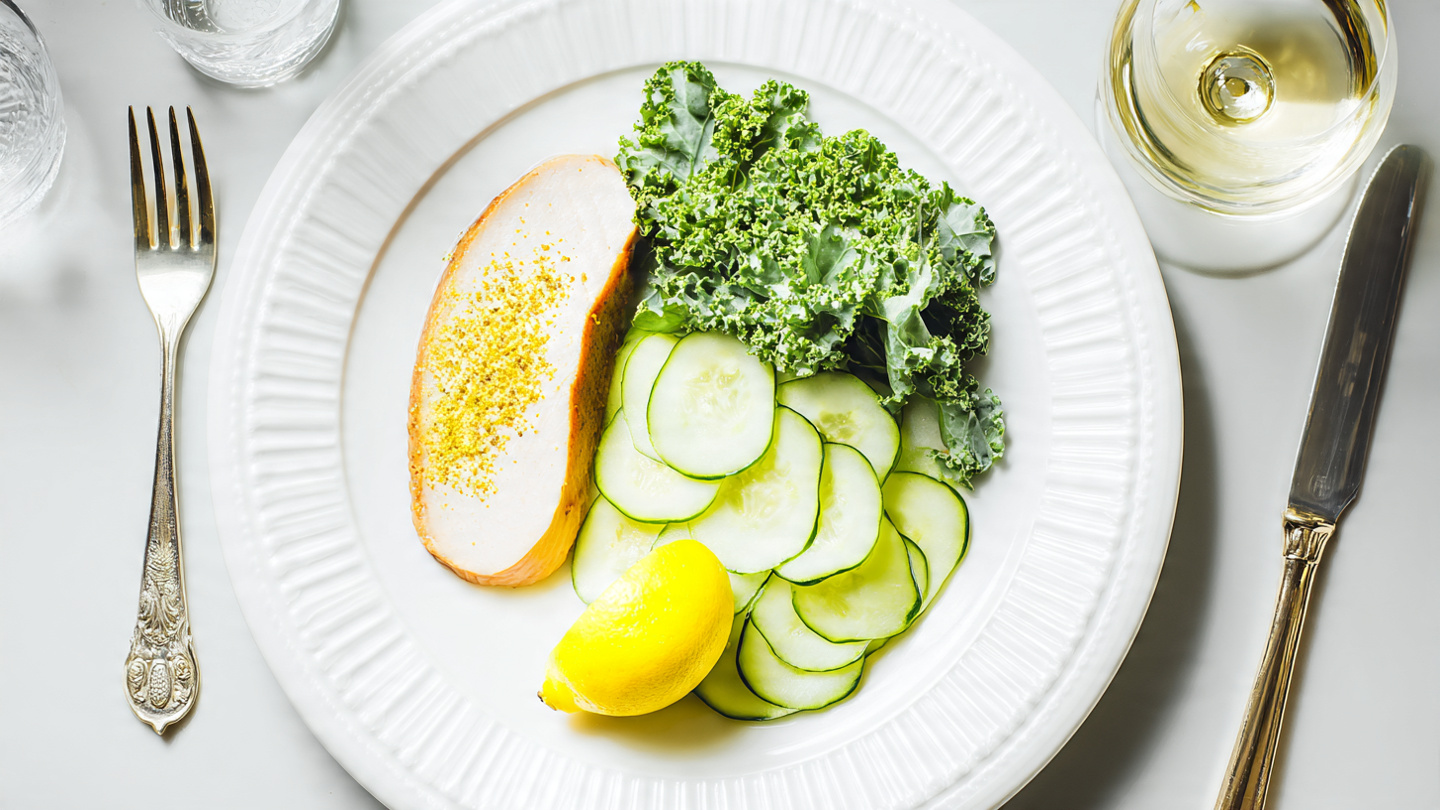
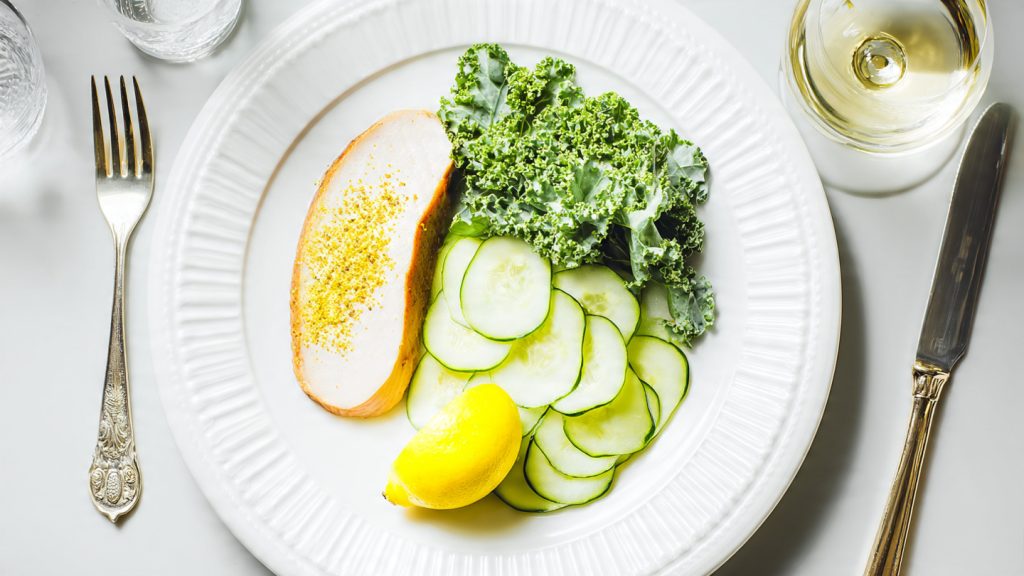
Prepare a fresh, low-sodium dinner. Use herbs, black pepper, lemon, or vinegar instead of salt. Aim to stay under 1,500 mg of sodium for the day.
2. Add Water-Rich, Natural Diuretic Fruits
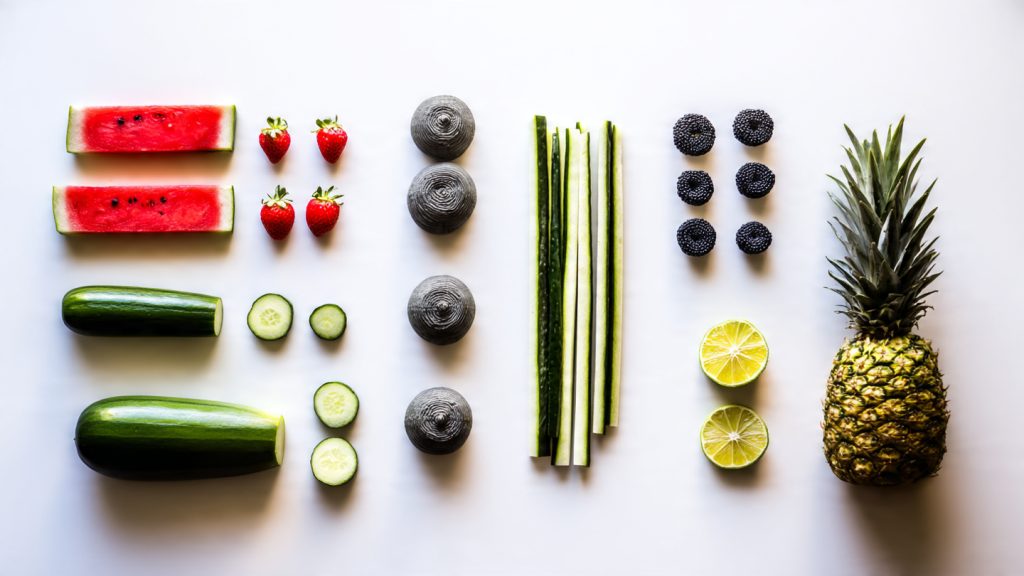
Certain fruits naturally help the body flush out extra fluids while providing hydration and electrolytes.
Great options include:
- Watermelon – extremely hydrating
- Cucumber – supports kidney function
- Pineapple – contains bromelain, which reduces bloating
- Berries – full of antioxidants and fiber
- Citrus fruits – rich in potassium to help balance sodium
These also support digestion, which can decrease bloating.
3. Increase Your Water Intake
It sounds backward, but drinking more water actually reduces water retention. When you’re dehydrated, your body holds onto fluid instead of releasing it.
How much to drink?
Aim for 8–10 glasses throughout the day.
Enhance your water by adding:
- Lemon
- Cucumber
- Fresh mint
These ingredients support hydration and naturally encourage the body to release excess liquids.
4. Move Your Body
Activity helps push trapped fluid back into proper circulation.
Why movement works:
- Improves blood flow
- Activates the lymphatic system
- Helps release sodium through sweat
- Reduces inflammation
Light evening exercises:
- 20–30 minutes of brisk walking
- Gentle yoga (especially legs-up-the-wall)
- Light stretching
- Deep breathing to improve circulation
Avoid very intense workouts right before bed.

5. Try Dandelion Root
Dandelion has long been used as a natural diuretic, and some modern studies support its ability to increase urination within hours.
How to use it:
- Drink 2–3 cups of dandelion tea
- Or take supplements as directed
Warning:
Speak with a healthcare professional before using it if you're taking medications (especially diabetes or blood-thinning meds).
6. Wear Compression Socks or Sleeves
Compression wear applies consistent pressure to help fluid move out of swollen areas, especially the legs and ankles.
Best times to use:
- Long sitting periods
- Long-distance travel
- When swelling appears in the lower body
- For overnight relief (if advised)
Ensure the garment fits properly and is comfortable.
7. Elevate Your Legs
Gravity can help remove built-up fluid from your legs and feet.
Try this for 15–30 minutes:
- Lie on your back
- Raise your legs above heart level using pillows
- Gently rotate your ankles or massage your calves while elevated
This can significantly reduce swelling by bedtime.
8. Use Medications Only If Prescribed
Diuretics can help with severe or chronic water retention, but they must be prescribed by a doctor.
Types include:
- Thiazide diuretics
- Loop diuretics
- Potassium-sparing diuretics
Using diuretics incorrectly can cause dangerous electrolyte imbalances, dehydration, or kidney strain.
Bonus: Long-Term Tips for Preventing Water Retention
1. Reduce salty and processed foods
Keep daily sodium under 2,300 mg (preferably under 1,500 mg).
2. Increase magnesium intake
Leafy greens, nuts, seeds, and whole grains are excellent sources.
3. Boost vitamin B6 foods
Found in poultry, tuna, chickpeas, and potatoes.
4. Eat more potassium-rich foods
Examples: bananas, avocados, sweet potatoes, spinach.
5. Swap refined carbs for whole grains
Avoid foods that spike insulin, as high insulin can increase fluid retention.
6. Use dandelion safely if it works for you
Start with low doses and observe your body's reaction.
When Should You See a Doctor?
Seek medical attention if you notice:
- Sudden swelling in the face, hands, or feet
- Trouble breathing or chest pain
- Rapid weight gain (2–3 pounds in 24 hours)
- Swelling in only one limb
- Pitting edema (indent stays in skin)
- Swelling plus fever
Possible underlying issues include heart disease, kidney problems, liver disorders, thyroid imbalance, and lymphatic issues.
Fasting Tip for Reducing Fluid Retention
Short fasting windows or intermittent fasting may help decrease bloating by giving the digestive system a break.
How fasting helps:
- Reduces inflammation
- Helps balance sodium and potassium
- Removes excess glycogen (and the water stored with it)
- Allows digestion to rest
Safe fasting approach:
- Try a 12–16 hour overnight fast
- Drink plenty of water and herbal tea
- Break your fast with low-sodium, whole foods
Always consult a healthcare provider before starting any fasting schedule.
Final Thoughts
Water retention can make you feel uncomfortable, but for most people, it’s temporary and manageable. Combining several fast-acting methods—like lowering sodium, hydrating well, moving your body, and elevating your legs—can noticeably reduce swelling within hours.
Tonight’s quick-action plan:
- Cut sodium immediately
- Drink water with lemon
- Take a light walk
- Elevate your legs before sleeping
- Drink dandelion tea (optional)
With consistency and a few lifestyle changes, you can prevent future episodes and feel lighter, more comfortable, and energized.